
The Evolution of Hip-Hop Dance: From the Streets to the Stage
April 20, 2026
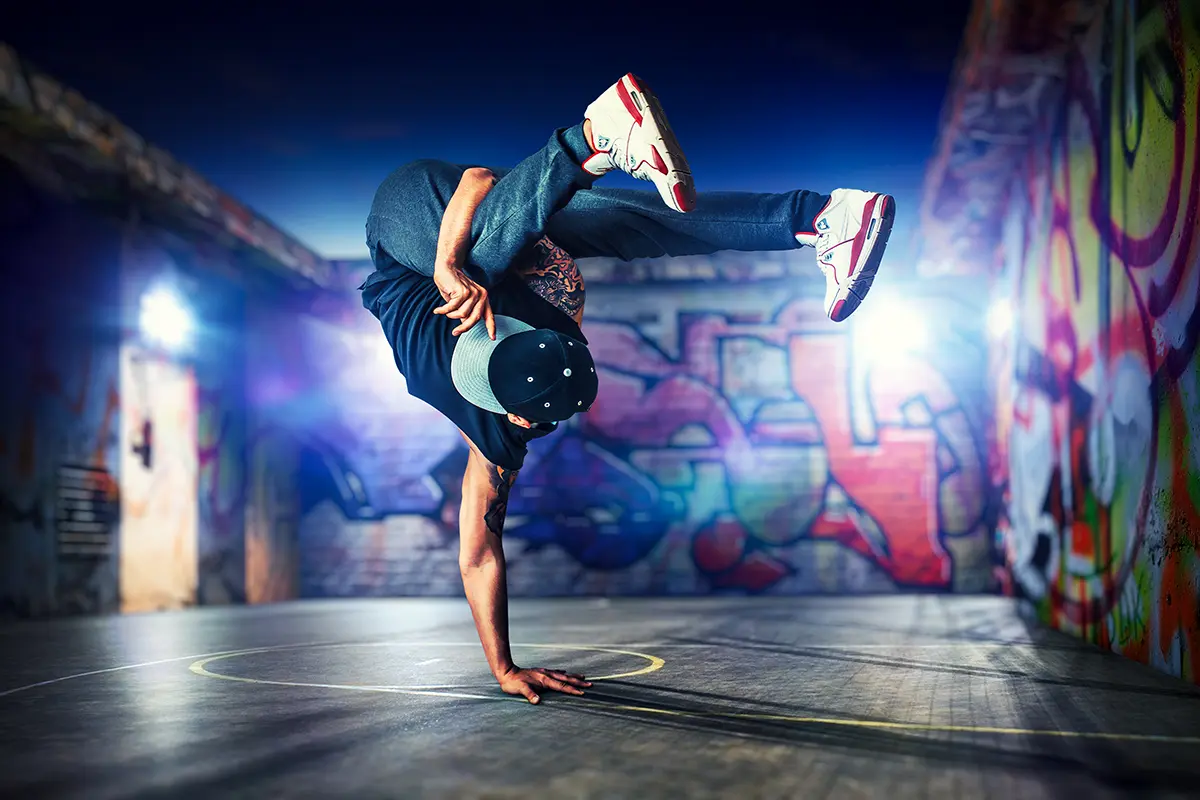
themselves through dynamic styles like breakdance, popping, and locking.
TL;DR:
- Hip hop began in the Bronx in the 1970s as a creative voice for urban youth
- Breaking, popping, and locking became its foundational, dynamic styles
- The 1980s–2000s pushed hip hop into the mainstream through iconic music videos and movies
- Today hip hop thrives through fusion styles and social media, with Crestar School of Dance offering engaging hip hop classes for children aged 5+ in Singapore.
The Birth of Hip Hop Dance
Hip hop dance first emerged as part of a cultural movement that gave a voice to urban youth in the 1970s. Rooted in rhythm, freedom, and storytelling, it quickly became more than just a dance—it was a way to express identity, community, and resilience.
Origins in the Bronx, New York City
The story of hip hop starts in the Bronx, New York City, during the early 1970s. In a time of social and economic challenges, the urban youth—especially African-Americans, Puerto Ricans, and Caribbean immigrants—gathered at block parties and community events, creating a vibrant street culture that combined music, dance, and art.
DJs and MCs would set up sound systems, mixing beats and loop breaks from funk and soul records, giving dancers space to show off their moves. Despite the economic collapse happening in that period, it birthed the hip hop movement we know today, from music to dance.
Key Pioneers like DJ Kool Herc and Afrika Bambaataa
Names like DJ Kool Herc, often regarded as the father of hip hop, and Afrika Bambaataa, known as “The Godfather”, played key roles in spreading the hip hop culture. They helped shape hip hop’s values and community spirit through their innovative mixing and inclusive block parties, building the foundation of hip hop as both an art form and a movement.
Early Styles: Breaking, Popping, and Locking
From those early parties came the first hip hop styles: breaking, popping, and locking. Each one—still at the heart of hip hop dance today—carried its own rhythm and story:
- Breaking: Energetic, athletic, and acrobatic moves that develop strength and coordination in young dancers.
- Popping: Sharp, controlled, and robotic movements that teach precision and body awareness.
- Locking: Playful, expressive gestures that help children build confidence and personality.
These moves don’t just teach dance steps—they instill rhythm, discipline, and teamwork—values that children continue to learn in hip hop classes today.
The Golden Age of Hip Hop
As hip hop grew beyond the Bronx, it began influencing music, fashion, and entertainment across the country. The 1980s and 1990s are often called the Golden Age of Hip Hop, as it was a time when creativity exploded, and the culture gained widespread recognition.
How the 1980s and 1990s Defined Hip Hop Culture
During these decades, hip hop moved beyond block parties to television, concert halls, and even global tours. Dance crews became icons, and competitions showcased skill, originality, and storytelling through movement. Hip hop taught young dancers creativity, self-expression, and the joy of movement—skills that benefit children in all areas of life, not just on the dance floor.
Influence of Music Videos and Popular Artists like Michael Jackson
Music videos became a major force in spreading hip hop dance. Icons like Michael Jackson helped bring street styles into the mainstream, such as his famous moonwalk, inspired by popping and gliding techniques. Artists like Run-D.M.C. and MC Hammer made hip hop a global language, one that continues to captivate children’s imaginations around the world.
Hip Hop Goes Mainstream
By the 2000s, hip hop had officially taken over the global stage. What began in community centres and street corners was now influencing everything from award shows to reality TV.
The Transition to Commercial Platforms and Global Recognition
As hip hop reached international audiences, it evolved into a performance art featured in concerts, dance competitions, and televised talent shows. Hip hop choreography evolved from freestyle roots into structured routines taught by professional instructors. This made it accessible for children as young as 5 to learn the art safely in studios, where they could develop proper form and confidence.
Movies and Shows that Brought Hip Hop to the Masses
Films like Step Up, You Got Served, and shows such as America’s Best Dance Crew introduced hip hop to millions, inspiring a new generation of dancers. These platforms showcased how dynamic and expressive the style could be, from storytelling choreography to powerful group formations that inspired children worldwide.
Is your child ready to discover their own rhythm and style? Hip-hop’s energy is best experienced firsthand—book a trial hip hop class today and watch your child’s confidence blossom through dance!
Modern-Day Hip Hop Dance
Today, hip hop continues to evolve—and it’s more exciting and accessible than ever for young learners. In Singapore, children’s hip hop classes now combine fun, structure, and creativity, making them one of the most engaging activities for developing minds and bodies.
Fusion with Other Dance Styles
Modern hip hop often blends with styles like contemporary, jazz, and even ballet, giving rise to hybrid genres like lyrical hip hop. This fusion helps children improve flexibility, rhythm, and storytelling through dance, while building a diverse movement vocabulary that enhances physical literacy.
The Role of Social Media in Shaping New Trends
Platforms like TikTok, Instagram, and YouTube have revolutionised how hip hop dance evolves today. From street-inspired grooves to polished studio routines, social media has made hip hop more accessible to kids, igniting passion and creativity in dancers from an early age.
While many children are first inspired by videos online, proper instruction in a supportive environment is essential for gaining guidance, technique, and teamwork experience.
Experience the Hip Hop Journey with Crestar School of Dance
From its humble beginnings in the Bronx to the dazzling stages of today, hip hop’s evolution is proof of how creativity can inspire and connect people worldwide. And if you’re ready to take your child the gift of dance, finding the right training is key.
Whether your child is a complete beginner or already well-versed in rhythm, Crestar School of Dance offers a nurturing environment that allows children aged 5 and above to develop essential life skills through hip hop dance—from coordination and rhythm to self-expression and confidence. Contact us today to explore Crestar’s hip hop classes in Singapore to experience the culture firsthand.

 © Crestar School of Dance |