
From Fairytale Ballet to Pointe Shoes in Singapore
May 22, 2026
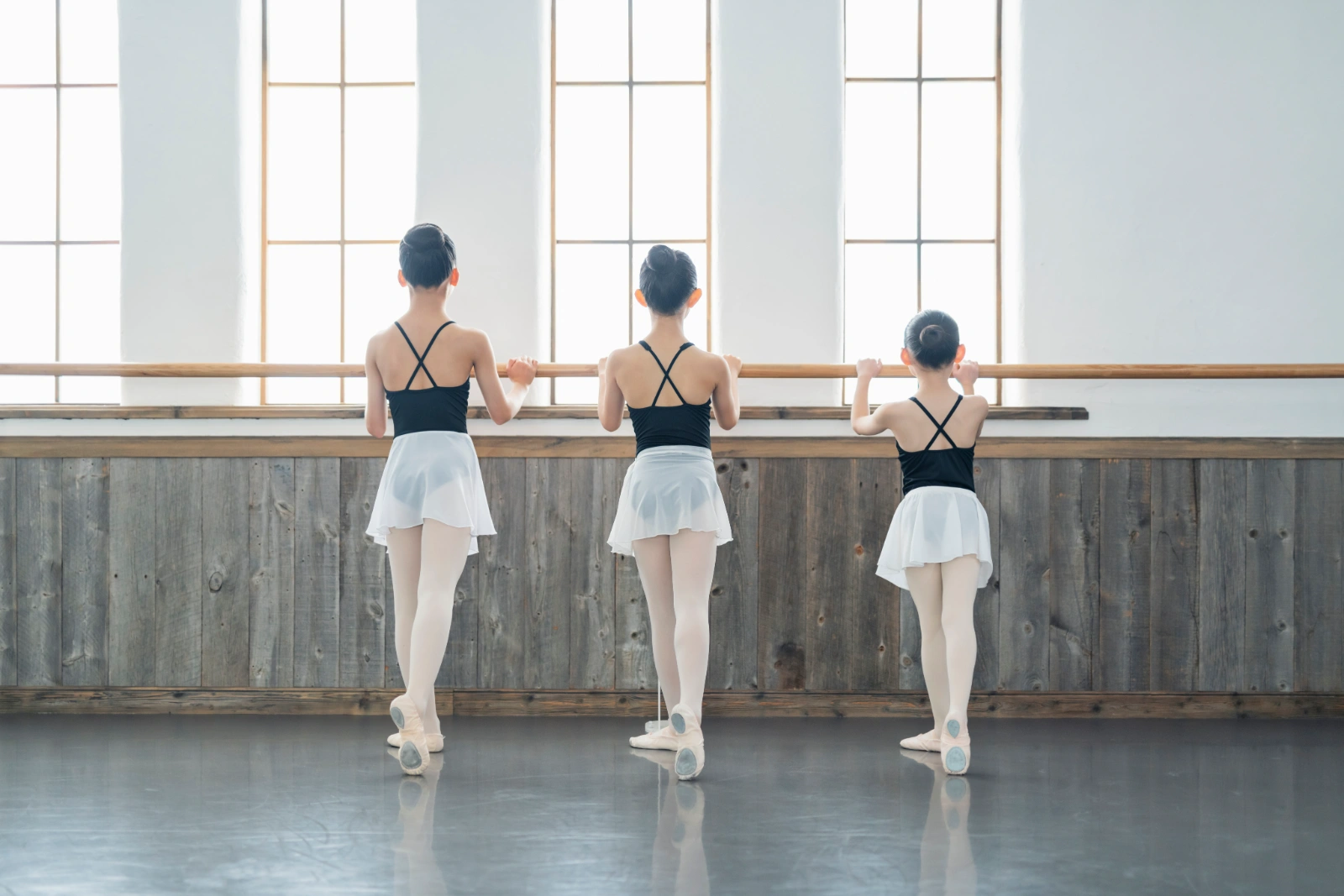
Children practicing at the barre in a ballet class in Singapore, building the strength, alignment, and control needed before progressing to pointe work.
Summary:
- Children progress through 3 stages of ballet footwear: soft shoes, demi-pointe (optional), then pointe shoes.
- Pointe work should not begin before age 11 or 12, when foot bones are hardening.
- Age and grade alone aren’t enough, the teacher must also confirm turnout, ankle stability, core control, and clean demi-pointe on one leg.
- Starting too early risks rolled ankles, poor alignment, and habits that take years to undo.
- A safe start includes a pre-pointe assessment, a professional fitting, and gradual barre work before centre exercises.
The question often comes quietly after a ballet class in Singapore. Your child climbs into the car, soft ballet shoes tucked into a bag, and asks when they can wear pointe shoes.
For many parents, that question brings excitement, pride, and a little worry. Pointe work is one of ballet’s most recognisable stages, but it is not just the next pair of shoes. The move from soft shoes to pointe should be gradual, structured, and properly understood, particularly for younger dancers still building their foundations.
In fact, most reputable ballet schools recommend waiting until at least age 11 or 12 — a guideline grounded in bone development, not tradition.
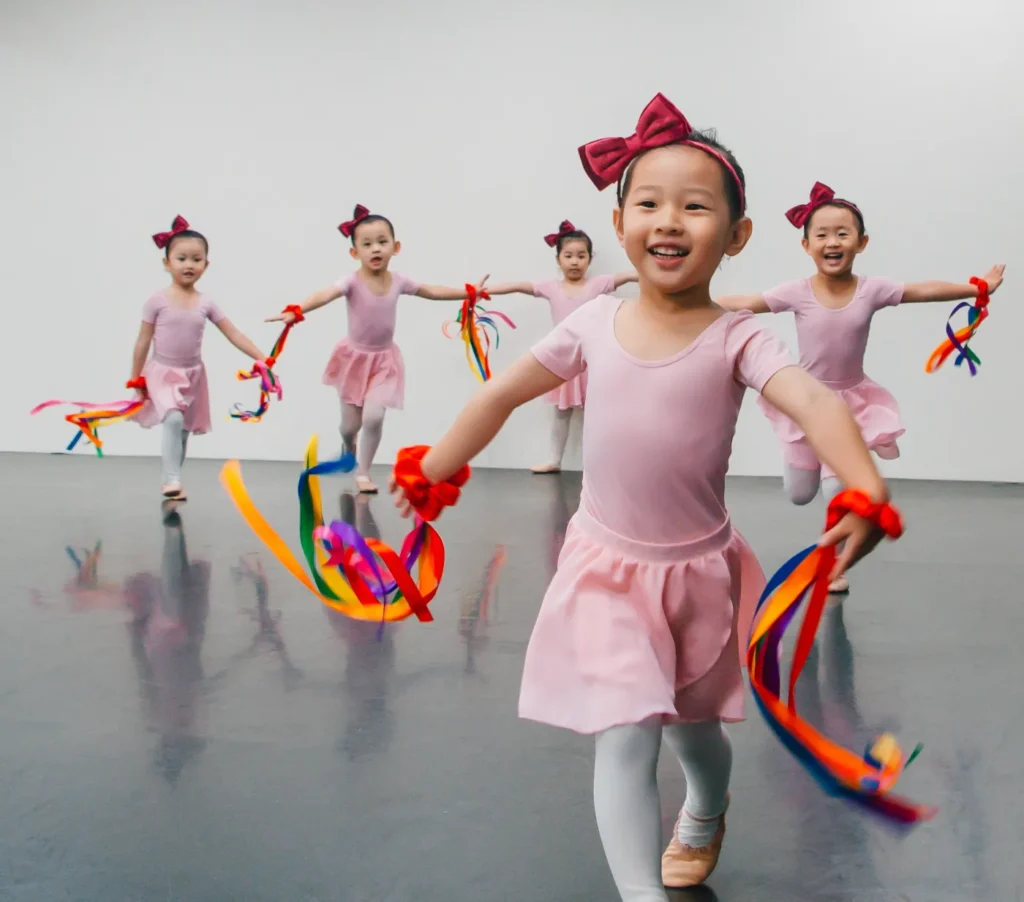
For children who begin at Crestar through the Fairytale Ballet programme, that journey starts early — as young as 3 or 4 years old — with imaginative storytelling and foundational technique that quietly build the strength pointe work will one day require.
What Are the Stages of Ballet Footwear?
Each stage builds on the last — from the first tentative pliés in soft shoes to the discipline required for pointe.
Starting Early: Building Foundations in Soft Ballet Shoes
Soft ballet shoes are usually worn from a child’s first ballet class until the pre-teen years. They are light, flexible, and easy for young feet to move in.
Children learn to work through demi-pointe and relevé, while the teacher watches for turnout from the hip, clear foot positions, and a tall, steady spine.
The Intermediate Bridge: Strengthening the Foot for the Next Level
Some ballet schools use demi-pointe shoes before full pointe. These shoes look like pointe shoes, but without a strong shank, the dancer cannot rise fully onto the tip of the toe.
Demi-pointe shoes help the foot adjust to a stiffer shoe while building ankle, arch, and forefoot strength. Not every school uses them, and a teacher may decide a child does not need this step.
The Dream Realised: Why Pointe Shoes are an Advanced Milestone
A pointe shoe is used for advanced ballet training, not simply as the next shoe after soft ballet shoes. The hard toe box and firm shank make that iconic link possible — but only when the body underneath is genuinely ready for it.
Without enough preparation, pointe shoes can strain growing feet, ankles, and joints. Pointe work should only begin when the teacher is sure the child is ready.
When Is a Child Ready for Pointe? Age, Grades, and Bone Safety
A teacher needs to consider the child’s age, bone development, strength, and technique before making a safe recommendation.
Why Certain Grades and Ages (11-12+) are Essential for Safety
Most children should not begin pointe work before age 11 or 12. Before this age, the bones in the foot are still developing and hardening.
A child with consistent ballet training may be working around Grade 4 or 5 by then. Still, age and grade are not enough on their own. The teacher must also check the child’s strength, control, and alignment.
The Risks of Rushing: How Early Pointe Work Can Affect Growth
Starting pointe too early can strain growing feet. If the bones, ankles, and technique are not ready, the foot may take on more pressure than it can safely manage.
Weak ankles can roll inwards, causing the legs to compensate. Poor alignment can then become hard to correct. Waiting one to 2 more years is often safer than starting too soon.
Not sure if your child is ready for the next stage of ballet? A structured ballet class in Singapore helps children build strength, control, and confidence at every stage. Book a trial class and let an experienced teacher guide the way.
Signs Your Child is Ready for Pointe Shoes
Readiness shows in regular ballet class. The teacher looks for steady alignment, strong ankles, controlled footwork, and the maturity to apply corrections carefully.
Technical Mastery: Consistent Turnout and Proper Alignment
A dancer ready for pointe can hold turnout from the hip, not the knee or foot. Her foot positions should be clear and controlled.
During relevé, she should stay tall through the spine without sinking into the hips or pushing the ribs forward. A small wobble is normal. Repeated loss of alignment means she is not ready yet.
Physical Power: Ankle Stability, Core Strength, and Arch Control
Pointe work needs the foot, ankle, and core to work together. A teacher will look for ankles that stay straight over the toes and an arch that lifts instead of collapsing.
Demi-pointe is one of the clearest tests. If a dancer cannot hold a clean demi-pointe on 1 leg, she is not ready for pointe shoes.
Mental Discipline: Focus, Maturity, and Applying Teacher Corrections
Pointe work needs focus for the whole class. A dancer must listen, apply corrections, and remember them in the next lesson.
She also needs to speak up honestly if something hurts. A child who rushes through barre work or takes every correction personally may need more time before pointe. When assessing readiness, a teacher will typically look for all of the following:
- Consistent turnout from the hip
- Clean demi-pointe on one leg, held steadily
- Stable ankles that don’t roll inward
- Core control maintained through relevé
- Focus and ability to apply corrections lesson to lesson.
How to Begin Pointe Work the Right Way
A safe start usually includes a pre-pointe assessment, a professional shoe fitting, and simple barre work before the dancer moves into harder exercises.
The Pre-Pointe Assessment and Teacher Recommendation
A pre-pointe assessment checks whether a dancer is ready for pointe work. It is usually done by the ballet teacher, sometimes with a dance-trained physiotherapist.
The teacher will check foot control and ankle stability before recommending if she is ready, not ready yet, or needs specific strengthening first.
Professional Fitting: Choosing the First Pair of Pointe Shoes
Pointe shoes must be fitted in person by a professional. The box shape, shank strength, heel, and arch support can change from shoe to shoe. A good fitter will watch the dancer rise in different pairs, ask where she feels pressure, and adjust the fit.
A dancer will usually need more than 1 pair over time. Pointe shoes wear down with use, and a growing child’s feet may also change shape as training continues.
A Gradual Start: Barre Work and Strengthening Exercises
The first weeks on pointe usually happen at the barre. The dancer starts with rises, simple relevés, and careful weight shifts, first with 2 hands on the barre and then with one.
She should not move into centre work or turns until her ankles can support her body weight cleanly. Strength exercises, often with a resistance band, continue alongside class to build the small muscles that support each rise.
Start Your Child’s Comprehensive Ballet Journey with Crestar School of Dance
At Crestar School of Dance, we offer ballet classes in Singapore led by qualified instructors who understand how young dancers develop. Our programmes also support ballet exam preparation and certification, giving children clear goals as they progress.
Register your child for a trial class and let them take their first confident steps — from our Fairytale Ballet programme all the way through to pointe, at exactly the right pace.

 © Crestar School of Dance |