
Ballet vs Hip Hop for Kids: Which Is Easier to Start?
May 22, 2026
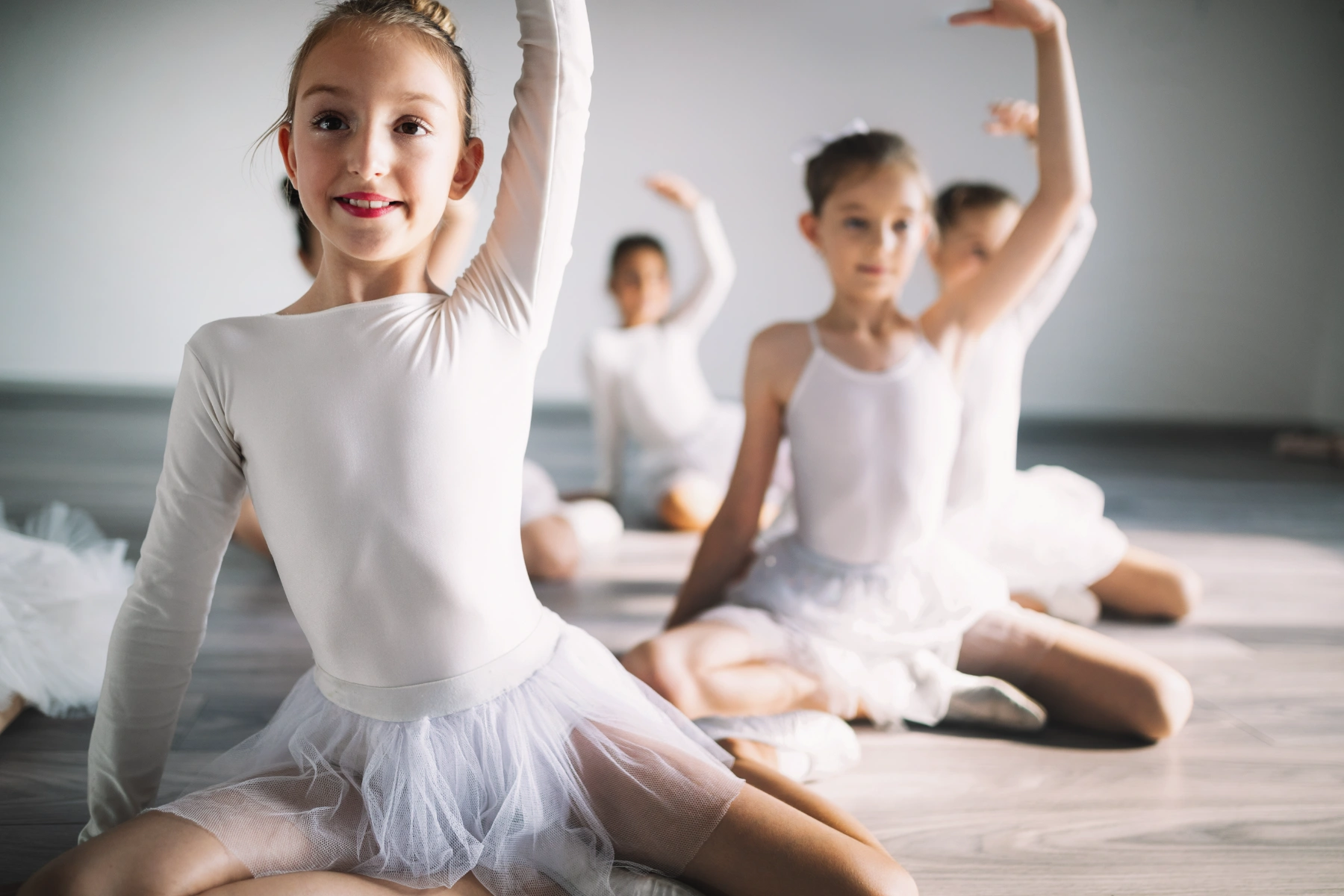
Ballet builds discipline and confidence from the very first step at Crestar School of Dance.
Summary:
- Finding the Right Fit: Choosing between ballet and hip hop depends on your child’s personality — whether they prefer structured learning or expressive, high-energy movement.
- Structured Foundation: Ballet provides a calm, guided environment that builds posture, discipline, and confidence through steady, progressive learning.
- Dynamic Energy: Hip hop classes develop musicality, stamina, and self-expression through energetic routines and modern rhythms.
- Try Before You Decide: Both styles build coordination and teamwork — Crestar School of Dance offers trial classes so your child can explore and discover what suits them best.
Choosing a first dance style can feel harder than it sounds. Parents exploring ballet classes at a dance school in Singapore will notice a very different experience from what hip hop offers — and neither is automatically easier than the other.
The good news is that both are genuinely wonderful places to begin. The question is simply which one feels like the right fit for your child.
What “Easy” Means for Kids Starting Dance
For young children, “easy” usually means feeling comfortable enough to join in, follow what is happening, and enjoy the class without feeling overwhelmed.
Confidence in Class (Not Being Afraid to Try)
Some children are happy to copy the teacher straight away. A shy child might enjoy ballet because the structure tells them what to do. Another might prefer hip hop because the atmosphere feels less formal.
What feels “easy” has far more to do with personality than with the steps themselves.
Picking Up Movement and Timing
Young children learn by watching and copying. Some find it easier to follow clear shapes and repeated positions, while others respond better to movement driven by the beat.
Ballet breaks things into smaller parts. A child learns to place their feet, hold their arms, and stand tall before moving further across the floor. Hip hop asks children to catch the groove, listen to rhythm, and move with more bounce and energy.
Comfort with Structure, Rules, and Corrections
Ballet follows a clear, consistent format. Positions are taught in a set order, and regular corrections help children know what is expected of them. For those who like predictability, this feels reassuring.
Hip hop often feels looser, with more room for personal expression. Children are encouraged to bring their own energy into the movement. For those who prefer freedom, this can feel much easier to settle into.
Enjoyment and Willingness to Return Next Week
Enjoyment is the strongest foundation for progress. A child who loves their class will practise at home, pay closer attention, and push through tricky parts. Enjoyment is what keeps children engaged long enough for real skills to develop.
How a Beginner Ballet Class Typically Feels for Kids
The studio is calm, the music soft, the teacher warm but precise — and for many children, that combination is immediately comforting.
More Structured: Positions, Posture Cues, and Routine
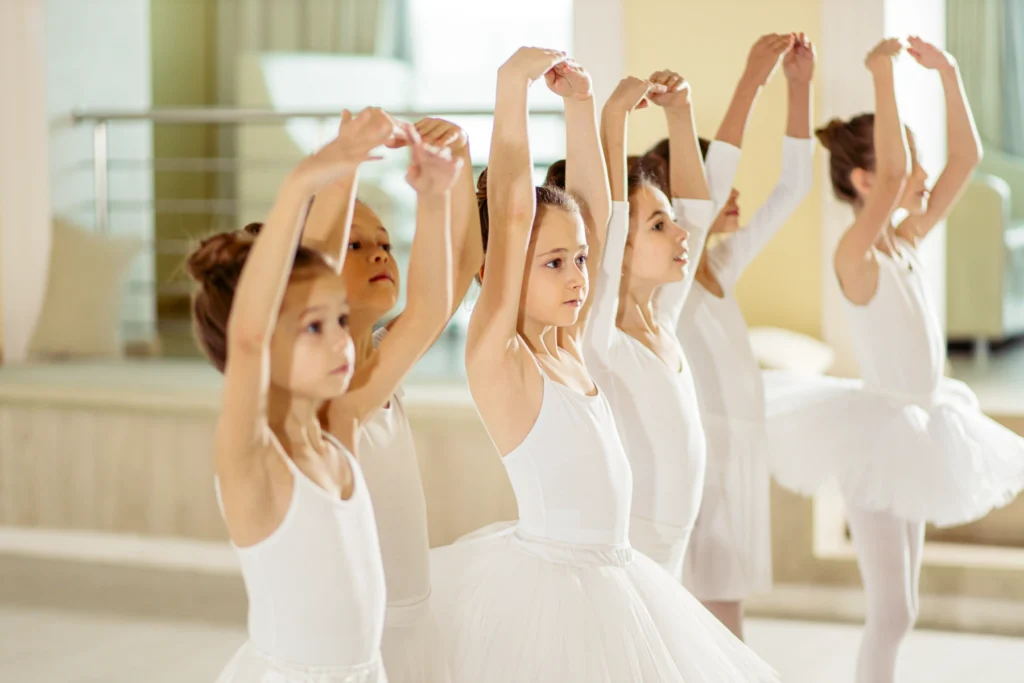
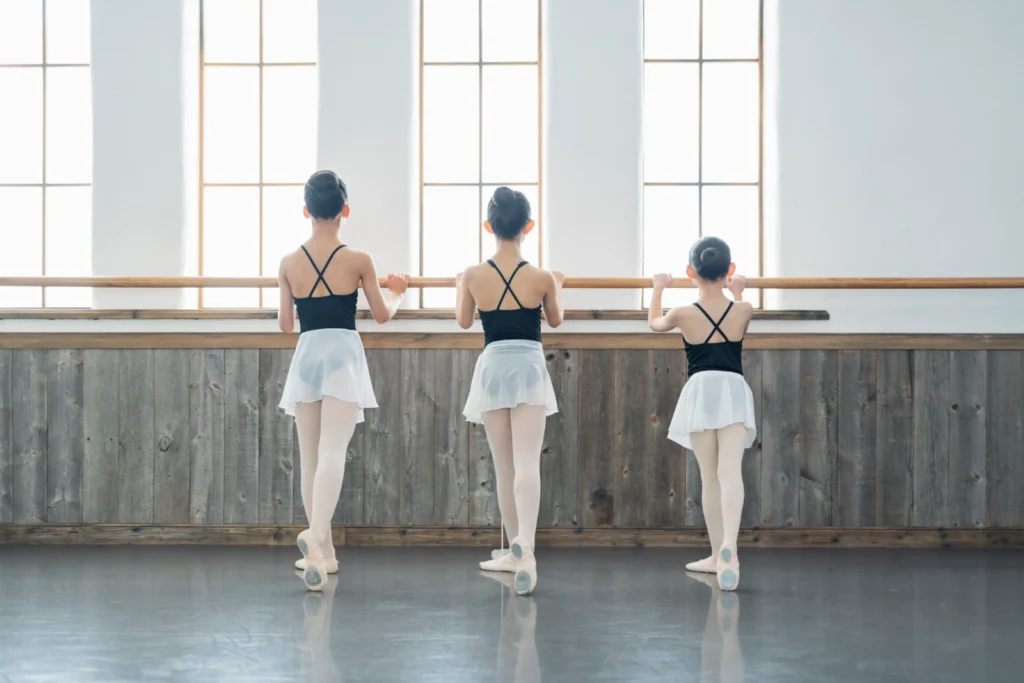
Beginner ballet classes follow a predictable format. Children line up, warm up, practise basic positions, and move through simple exercises in order. A child starts to know where to stand, how to hold their arms, and what comes next. For children who like routine, ballet can feel surprisingly natural from the very first class.
Slower Pace at the Start (But Detail-Focused)
Ballet does not rush. A teacher might spend an entire class on how to point the foot correctly or hold the arms in second position. To a parent watching through the window, it might seem uneventful — Inside the room, careful, meaningful learning is taking place.
Common First Challenges: Turnout, Coordination, Remembering Positions
Turnout does not come naturally to most children, and coordinating arms and feet at the same time takes real practice. These are completely normal challenges, and most children need time and patient encouragement before the movements start to feel natural.
What Kids Usually Love: Feeling “Graceful”, Clear Progress, Uniforms and Routines
Many children are drawn to ballet because it feels special. Stepping into class in ballet shoes, following a familiar routine, and learning movements that look elegant is exciting for young dancers.
Some children are particularly motivated by visible progress — noticing that they can balance longer, move with better control. That sense of growth matters. Therefore, when looking for a reputable ballet dance school in Singapore, parents often choose Crestar for its structured yet nurturing environment.
How a Beginner Hip Hop Class Typically Feels for Kids
The music is louder, the beat is stronger, and the teacher is already moving when the children walk in.
More Energetic: Grooves, Rhythm, and Big Movement
Where ballet begins with stillness, hip hop begins with motion. Children groove first — feeling the beat with their whole body before focusing on specific steps. The movements are bigger, more expressive, and far less formal. For children who love to move freely, this can feel like a revelation.
Faster “Fun Payoff” (Kids Feel Like They Are Dancing Quickly)
Within a few sessions, most beginners will have learned a short routine they can perform from beginning to end. That early sense of achievement is powerful. It is part of what makes hip hop dance classes in Singapore so popular with younger children — they feel capable and excited almost immediately.
Common First Challenges: Timing, Stamina, and Sharp Coordination
Children need to hear the beat, react on time, and coordinate movement changes with confidence. A naturally musical child may enjoy this straight away. Another may find it harder to match the counts or keep up with quick transitions. Stamina can also be a factor, as hip hop asks for sustained energy throughout the class.
What Kids Usually Love: Music, Freedom, and Cool Moves
Hip hop gives children permission to be themselves on the dance floor. Even within a set choreography, there is room for personality and expression. For children who feel constrained by rigid instructions, that creative space can make all the difference.
Still deciding between ballet and hip hop? Sign your child up for a trial class and see which style feels like the right fit — from the very first lesson.
Skills Your Child Will Build First (And How They Differ)
Ballet and hip hop each build a slightly different physical and creative toolkit — though there is more overlap than parents expect.
Ballet Fundamentals: Posture, Balance, Control
Children develop stronger posture, improved balance, and a deeper awareness of how their body moves through space. They learn to move with intention and control, building a physical foundation that serves them well in any dance style they explore later.
Hip Hop Fundamentals: Rhythm, Coordination, Musicality
Hip hop dance classes in Singapore develop the ear just as much as the body. Children build a strong sense of rhythm and learn to interpret music through movement. Coordination grows naturally, because hip hop works different parts of the body independently and in harmony.
Shared Benefits: Confidence, Discipline, Teamwork
Both styles nurture the same essential qualities that go far beyond the dance floor. Children learn to listen, follow instructions, and receive feedback with openness. They experience what it feels like to struggle with something, stay with it, and succeed — and that lesson stays with them.
Conclusion
Still unsure which class is the better fit? Sign them up for a trial class so they can experience the studio, hear the music, meet the teacher, and discover which style feels most natural.
At Crestar School of Dance, a trial class is a gentle first step into ballet or hip hop — giving both children and parents the chance to see, feel, and decide without further doubt.

 © Crestar School of Dance |